
THE PROPERTY FILTER TAKE
Just 33% of new homes in England & Wales sold off-plan in 2025 - the lowest share since 2013, down from 49% at the 2016 peak, according to Property Industry Eye (May 2026).
The build cost implication is significant: housebuilders incurred an estimated £264.5m in additional financing costs last year compared with ten years ago, equating to £3,125 per home - meaning developers carrying more stock to completion are under real margin pressure.
If you are appraising a new-build development or considering an off-plan purchase, you may wish to factor in longer sales timelines and the reduced availability of investor-backed forward funding when stress-testing your numbers.
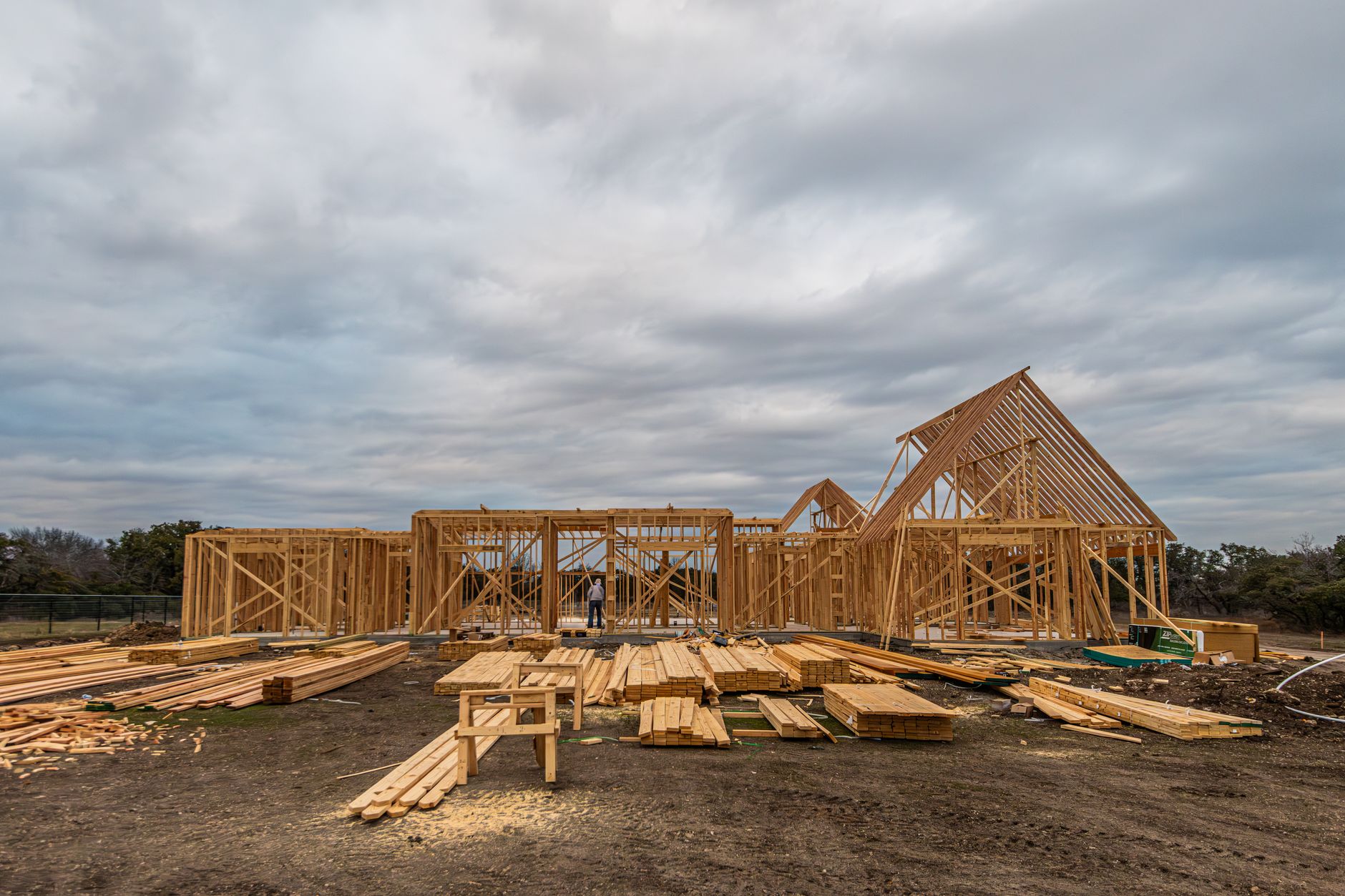
Just 33% of new homes in England and Wales sold off-plan (purchasing a property before or during construction, based on plans rather than a completed building) in 2025, according to Property Industry Eye (May 2026). That is the lowest share recorded since 2013 and marks a sharp fall from the 49% peak seen in 2016. The build cost implication is already showing up in financing data - and it points to a structural shift in how new homes reach the market.
Why Have Off-Plan Sales Fallen So Sharply?
The 2016 peak was largely driven by buy-to-let investors, who would routinely commit to off-plan flats well before a spade hit the ground. Since then, successive tax changes have pushed landlords out of the new-build flat market. According to Property Industry Eye (May 2026), the share of new homes that are flats has fallen from 38% in 2016 to just 22% in 2025. Houses, by contrast, tend to sell once complete rather than off-plan - so the shift in product mix alone drags the headline rate down.
Regional data reinforces this. London, the South West and the South East each recorded falls of around 20 percentage points in their off-plan sales share between 2016 and 2025, per Property Industry Eye (May 2026). These are markets that historically depended on investor demand for city-centre and commuter-belt flats. That buyer profile has largely retreated.
What Does This Mean for the Development Timeline?
Selling off-plan is not just a sales tactic - it is a financing mechanism. When a developer presells a block of flats before construction starts, those reservation deposits and exchange contracts reduce the amount of debt the scheme needs to carry. Fewer off-plan sales mean developers are funding more of the construction period themselves, at prevailing interest rates.
According to Property Industry Eye (May 2026), housebuilders in England and Wales incurred an estimated £264.5m in additional financing costs in 2025 compared with ten years earlier - equating to £3,125 per new home sold, up from £2,934 in 2024. Around half of that increase reflects the higher interest rate environment, adding approximately £1,800 per home last year. The timeline for a typical scheme now carries materially higher holding costs at each stage.
Where Does Off-Plan Activity Still Hold Up?
Flats in the North West continue to attract off-plan buyers at scale. According to Property Industry Eye (May 2026), 69% of flats in the North West sold before completion in 2025 - the highest regional share in England and Wales, ahead of London at 65%. Across all property types, terraced homes performed best among houses, with 40% selling off-plan, compared with 29% of semi-detached and 21% of detached homes.
For developers still targeting urban flatted schemes in higher-demand cities, the off-plan route remains viable. For those building houses at scale in outer suburbs or rural locations, the data suggests the market now expects a completed product. Planning risk and build cost exposure both sit with the developer for longer - and investment strategy appraisals need to reflect that shift.
You may wish to use Property Filter's free stress test calculator to model the financing cost impact on a development or BTL acquisition at current rates.
For a wider grounding in how new-build and off-plan purchases fit into an investment plan, our free property investor resources cover the groundwork.
Key takeaways
Off-plan sales accounted for just 33% of new homes sold in England and Wales in 2025 - the lowest rate in 12 years.
The 49% peak was in 2016; the decline tracks the retreat of buy-to-let investors and a shift from flats to houses.
Additional financing costs for housebuilders reached an estimated £264.5m in 2025, or £3,125 per home.
The North West leads off-plan flat sales at 69%; London follows at 65%.
Detached houses are the least likely to sell off-plan, at just 21% in 2025.
Frequently asked questions
What does "off-plan" mean in property?
Why do developers prefer off-plan sales?
Why have off-plan sales fallen since 2016?
Is off-plan buying riskier for purchasers?
Where can I find development deals and off-market opportunities?


