
THE PROPERTY FILTER TAKE
Yorkshire solar installers are reporting up to a tenfold surge in enquiries since the Iran war drove oil prices higher.
For landlords in England and Wales facing MEES deadlines, solar installation could push a property from EPC D to C - the compliance threshold - while cutting energy bills.
You may wish to contact a local MCS-certified installer now, before waiting times extend further and costs rise with demand.
Solar panel enquiries in Yorkshire have jumped up to tenfold since the start of the Iran conflict, according to regional installers. Rising oil prices are driving homeowners and landlords alike to look at generation as a hedge against energy costs - and for many buy-to-let (BTL) investors in England and Wales, the timing lines up directly with looming MEES (Minimum Energy Efficiency Standards) deadlines.
What the Demand Surge Means in Practice
The tenfold figure comes from Yorkshire installers cited in the summary report on which this article is based. The full source article was unavailable at time of writing, so that claim is reproduced as reported rather than independently verified.
What is not in doubt is the direction of travel. Oil prices have risen sharply since hostilities began, and energy-conscious property owners are responding. Installers across the North are reportedly booking weeks out. Lead times that once ran to days are now stretching to months in some areas.
For landlords, that waiting list is the most immediate practical concern. A solar installation that takes three months to book and install cannot solve a compliance problem that falls due in the meantime.
The EPC and MEES Calculation
In England and Wales, MEES rules currently require rental properties to hold an EPC (Energy Performance Certificate) rating of at least E before they can be lawfully let. The government has previously consulted on raising that threshold to EPC C for new tenancies, though the exact implementation timeline remains subject to legislative confirmation as of May 2026. Landlords and investors should verify the current position directly with MHCLG or a qualified energy assessor.
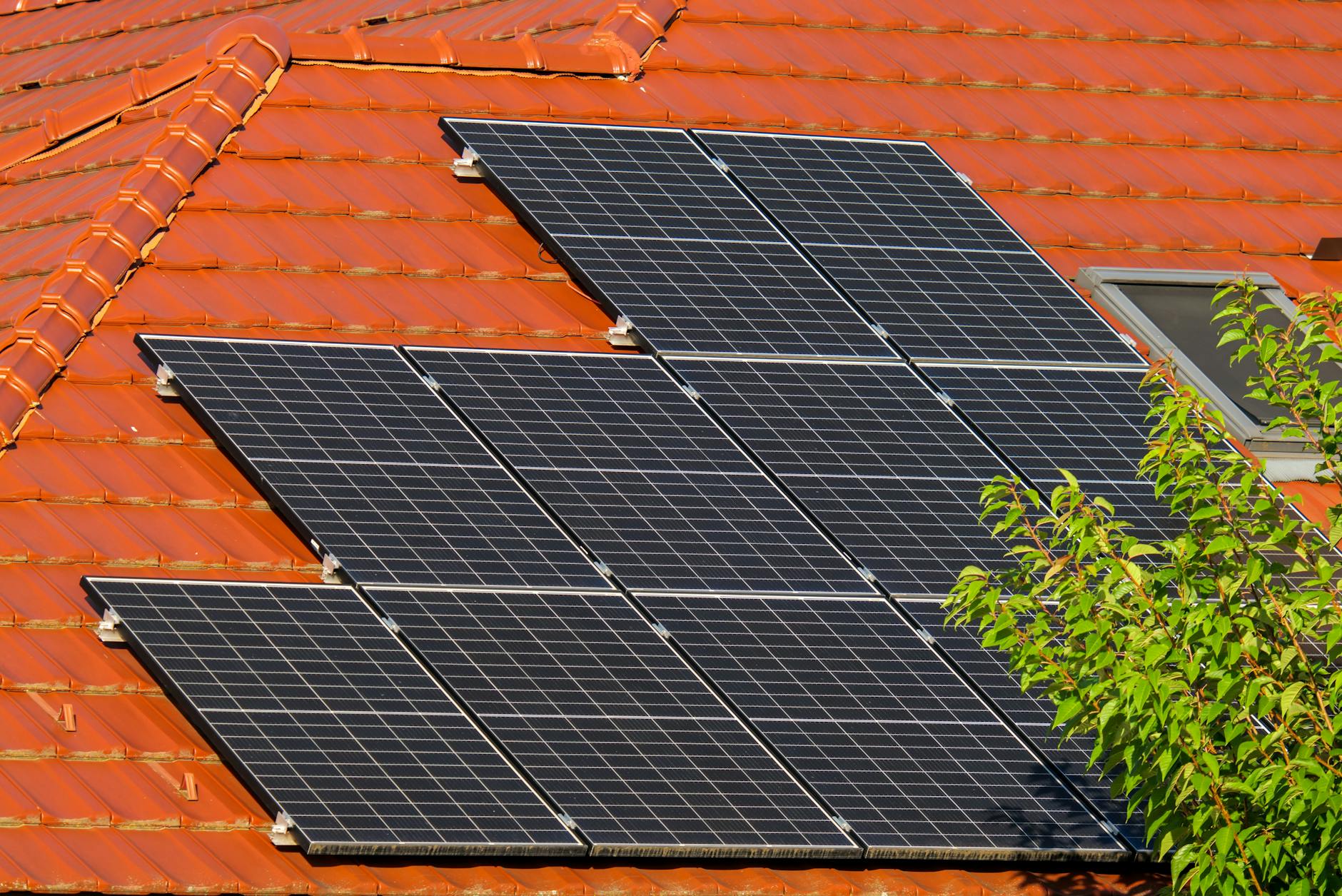
What solar panels can do for an EPC rating depends on the property. As background context: a typical 4kWp rooftop system on a semi-detached property can add roughly 10 to 20 SAP (Standard Assessment Procedure) points to an EPC score - enough to move a D-rated property into C territory in many cases, though results vary by property type, orientation, and existing fabric performance.
The cost side: a 4kWp system has typically cost between £6,000 and £9,000 installed in recent years (background knowledge - get current quotes from MCS-certified installers). The saving: at current electricity prices, the same system can generate estimated annual savings of £800 to £1,200 for an occupied property, depending on usage patterns and export tariff arrangements.
What Landlords Should Think About Now
Demand pressure on installers is the key variable that separates acting now from acting later. When enquiries increase tenfold, prices and lead times both tend to follow. A landlord who begins the process in May 2026 is in a materially different position from one who starts in autumn.
The practical checklist is short. Commission an EPC assessment on any property that does not already hold a current certificate. Check the SAP score, not just the band - it tells you how far from the next threshold you are. Then speak to two or three MCS-certified installers to get comparative quotes and realistic installation timelines. Green mortgage products are now widely available and some offer preferential rates tied to EPC improvements; it may be worth asking your broker whether any apply to your portfolio.
Solar is not a solution for every property. Flat roofs, north-facing aspects, and listed building constraints can all limit viability. But for the properties where it does work, the combination of rising energy costs and compliance pressure has made the financial case considerably stronger than it was twelve months ago.
Key takeaways
Yorkshire solar installers are reporting up to a tenfold surge in enquiries since the Iran war drove oil prices higher.
For landlords in England and Wales facing MEES deadlines, solar installation could push a property from EPC D to C - the compliance threshold - while cutting energy bills.
You may wish to contact a local MCS-certified installer now, before waiting times extend further and costs rise with demand.


