
THE PROPERTY FILTER TAKE
Local councils can serve civil penalty notices by email, and courts recognise these as legally valid even if the notice lands in your spam folder
This matters because the 28-day response deadline starts from the date the email is sent - not from when you read it - and missing it costs you the right to appeal or make representations
Consider adding council email addresses to your approved sender list now, and review your spam folder weekly during the Renters' Rights Act enforcement period beginning 1 May 2026
A High Court ruling has confirmed that local councils can serve notices by email and the notice is legally valid even if the recipient never reads it. The Renters' Rights Act 2025 comes into force on 1 May 2026 in England, significantly expanding local authority enforcement powers. The precedent could affect thousands of landlords facing civil penalties (fines issued by councils without going to court) of up to £40,000.
What the courts ruled on email service
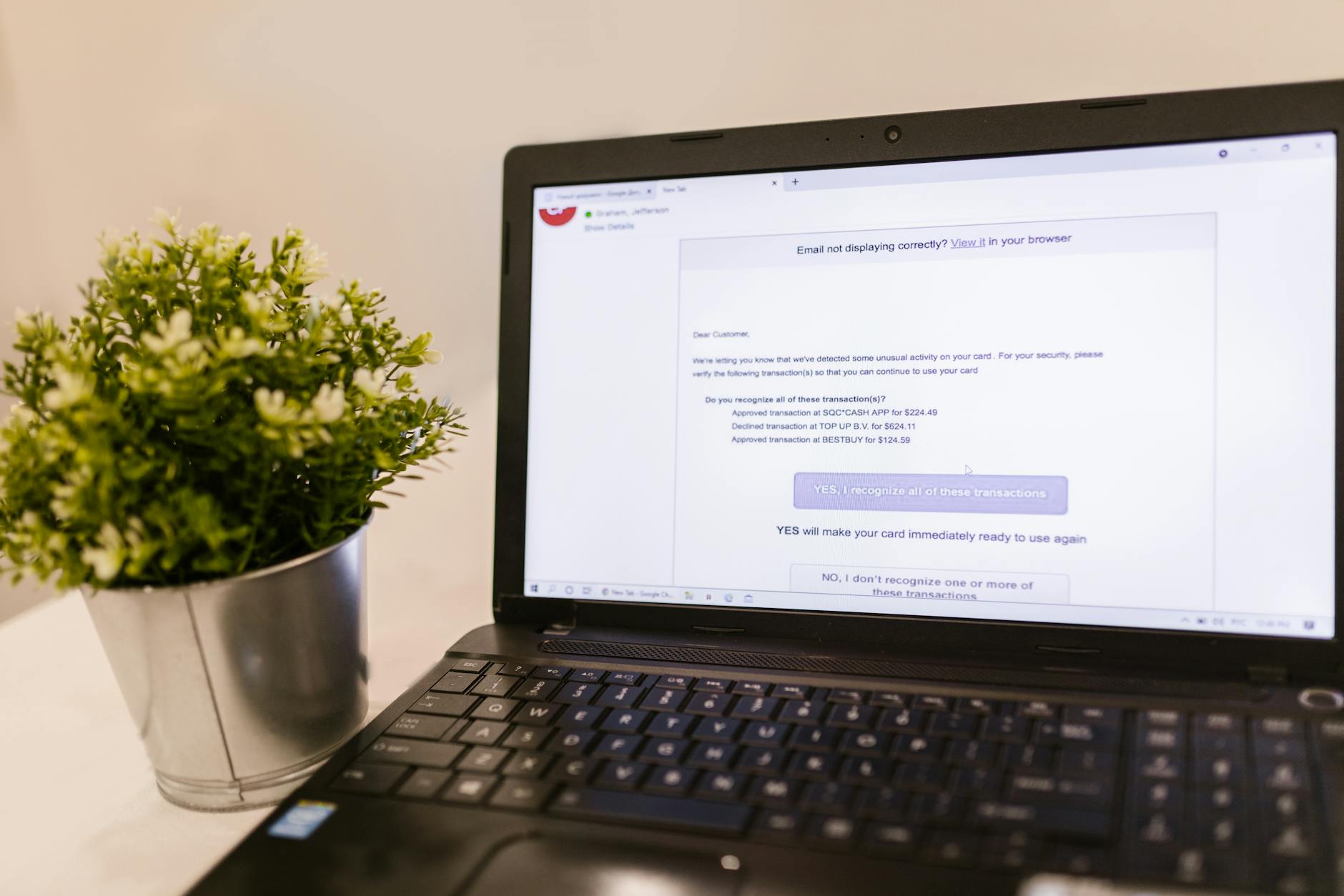
Maidstone Council emailed a notice to the recipient, but it was filtered into their spam folder and went unread. The recipient missed the strict 21-day appeal window. The High Court ruled that sorting an email into spam is not the fault of the local authority. The notice constituted valid service (LandlordZone, 2026). The legal principle is clear: once a council sends a notice by email to your registered address, you are deemed to have received it for legal purposes.
The Upper Tribunal has also examined non-receipt defences. In Manchester City Council vs Naila Tabbasam, the council sent an improvement notice to an old Land Registry address. She never received it or the subsequent £22,500 penalty notification. The Upper Tribunal and Appeal Court sided with Tabbasam, finding that non-receipt can support a reasonable excuse defence. But that only applies where the notice was sent to a wrong address, not to your actual email account (LandlordZone, 2026). The distinction matters: if the council has your correct email, courts will find you received it.
Why the effective service date matters
This creates a practical trap for landlords and managing agents. When a council sends a notice by both email and post - a common practice - whichever method is sent first becomes the effective service date. David Smith, a property lawyer at Spector Constant & Williams, explained: "If notices are being sent by email and by post, then the emailed notice, if sent first, will be the one that is the effective date the notice is served" (LandlordZone, 2026).
The 28-day window to make representations after a Notice of Intent begins from that email timestamp. The 28-day appeal period after a Final Notice also starts from the service date, not from when you read the letter. If the email goes to spam and you only spot the post three weeks later, you may have already lost your right to respond.
What changes from 1 May 2026
The Renters' Rights Act 2025 takes effect on 1 May 2026 in England. Civil penalties rise to £7,000 for a first breach and up to £40,000 for repeated or continuing breaches (GOV.UK Civil Penalties Guidance, 2026). Local authorities gain expanded powers to issue notices of intent. The penalty clock runs from the date on the notice. You may wish to speak to your managing agent about their email handling procedures. Consider adding council email addresses to your approved sender list. It is also worth reviewing your spam folder regularly from now through the enforcement window. If you receive a Notice of Intent, the deadline to make representations is 28 days. If you receive a Final Notice, the deadline to appeal to the First-tier Tribunal (Property Chamber) is 28 days from that date.
Key takeaways
Local councils can serve civil penalty notices by email, and courts recognise these as legally valid even if the notice lands in your spam folder
This matters because the 28-day response deadline starts from the date the email is sent - not from when you read it - and missing it costs you the right to appeal or make representations
Consider adding council email addresses to your approved sender list now, and review your spam folder weekly during the Renters' Rights Act enforcement period beginning 1 May 2026


